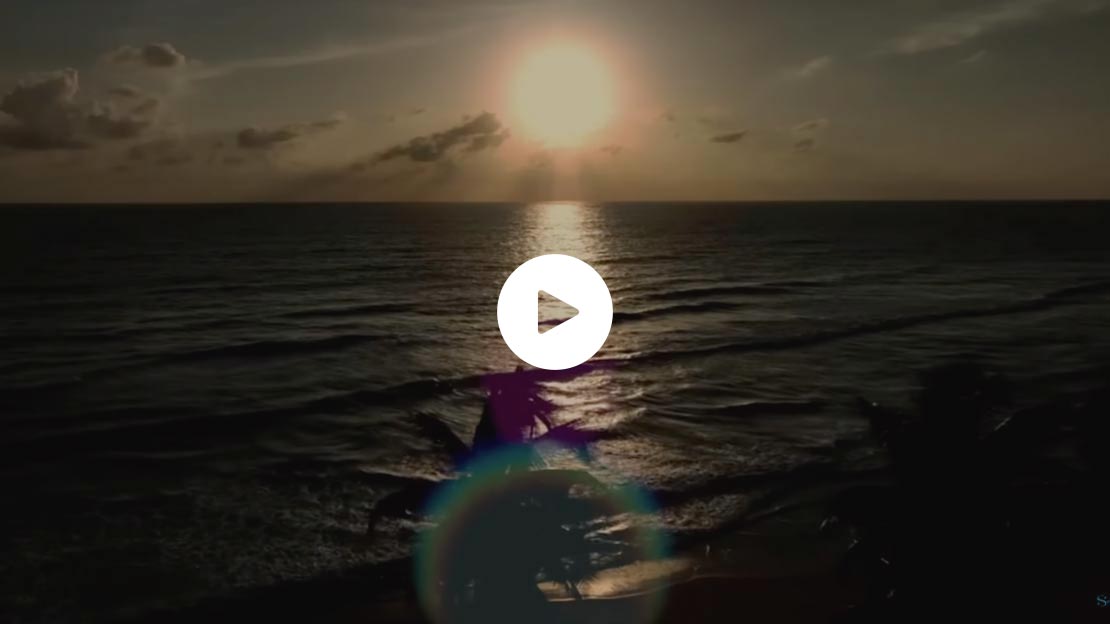
Colombo is Sri Lanka’s largest commercial centre, bringing together universities, business districts, cultural institutions, food and coastal life. Students can spend time along the waterfront at Galle Face Green, explore the markets and busy streets of Pettah, or discover museums, galleries and historic neighbourhoods across the city. Local buses, trains, tuk-tuks and app-based transport connect Colombo with its suburbs, while the city also provides a starting point for exploring Sri Lanka’s beaches, highlands, historic cities and wildlife destinations.

Sri Lanka
Why study in Sri Lanka?
Sri Lanka offers students the opportunity to earn a high-quality education while experiencing diverse cultures and a thriving student life. This vibrant country packs rich cultural heritage, lush landscapes, and a wide range of experiences into a compact island – you can go from beaches to mountains to wildlife parks in a single day.
Sri Lanka’s education system is overseen by well-established national bodies. Costs are low compared with most other study destinations. Plus, the island’s hospitality is one of its greatest strengths for international students settling in.
International pathways
Many private institutions partner with overseas universities, offering a route to an internationally recognised degree.
Variety in a small space
Beaches, mountains, wildlife parks and historic sites are all within easy reach of most campuses.
Welcoming culture
Sri Lanka's hospitality makes it easy for international students to settle in and feel at home.
Student life in Colombo
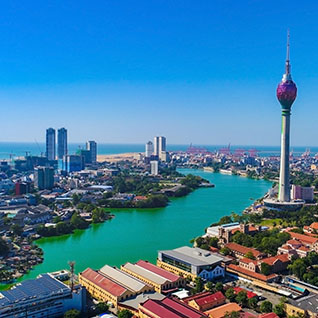
Image Slider


Essential study information
Visas: what you will need
All international students need a valid student visa to study in Sri Lanka. The process runs in two stages.
Before you travel, the education provider applies for your entry visa approval through the Department of Immigration and Emigration. Once approved, you collect an Entry Visa endorsed by a Sri Lankan diplomatic mission in your home country, which lets you enter the country for an initial 30 days.
After you arrive, your institution helps you convert this into a Student Residence Visa. This visa is valid for one year and can be renewed annually for the length of your course.
You will generally need:
- An offer or acceptance letter from your Sri Lankan institution
- A valid passport and passport-sized photographs
- Proof of financial means
- A mandatory Health Protection Plan, arranged through the Immigration Health Unit at the Ministry of Health
- The Residence Visa fee, paid directly to the Department of Immigration and Emigration
Processing can take time, so apply in advance – most institutions recommend allowing at least 3 months before your course starts.
Work rights
International students are not permitted to work while studying in Sri Lanka. This is strictly enforced by the Department of Immigration and Emigration. All student visa holders are expected to focus entirely on their studies.
There is also no dedicated post-study work visa. Students wanting to work in Sri Lanka after graduating would need to apply for a different visa category tied to a specific job offer through the standard immigration process. One option is the employment category under the Residency Visa.
Cost of living
Sri Lanka is considerably cheaper to live in than most other popular study destinations. Overall costs can be roughly half those of many Western countries. Most international students can cover day-to-day living on a modest monthly budget. However, Colombo and other major cities cost more than smaller towns.
Health and safety
Health insurance is mandatory for all international students who study in Sri Lanka, to ensure medical expenses are kept to a minimum. Institutions like ECU Sri Lanka will assist students with obtaining Student Health Cover.
Similar to the student visa, this health insurance coverage lasts for one year and will require annual renewal.