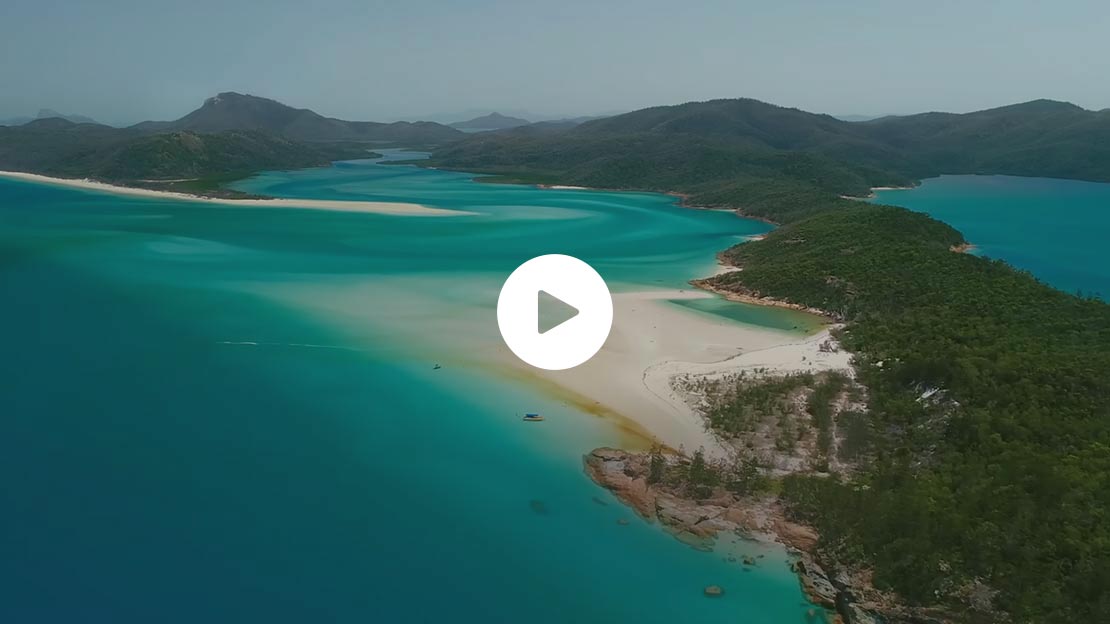
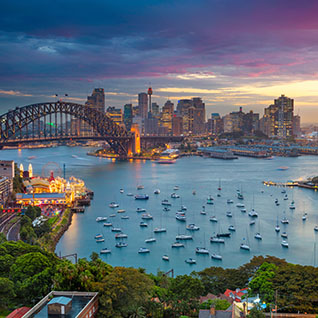
Australia’s largest city combines a fast-paced urban experience with harbourside and coastal living. Its diverse neighbourhoods offer food, culture, entertainment and events from around the world, while extensive public transport connects many of the city’s key areas. Beyond landmarks such as the Sydney Opera House and Harbour Bridge, students can explore waterfront precincts, beaches and green spaces, including the popular Bondi to Coogee coastal walk. Sydney offers the variety of a major international city, with outdoor experiences woven into everyday life.

Australia
Why study in Australia?
With a unique teaching style that encourages students to be innovative and creative, Australia is one of the world’s favourite study destinations.
In Australia, students can choose from university foundation programs, International Year One, direct university entry, English language study and qualifications, employability programs and internship experience, creative media higher education, professional education, and more. Beyond the classroom, Australia offers very different ways to live and study. Students can choose from energetic global cities, relaxed coastal destinations and more compact capitals, with beaches, green spaces, food, sport and culture becoming part of everyday life.
Six of Australia’s cities rank in the global top 50 for students, and nine universities sit in the QS World University Rankings top 100. Additionally, eligible graduates can stay and work in the country for two to three years after finishing their degree. This page covers the essentials: costs, visas, work rights and everyday life.
High global rankings
Australian cities and universities rank highly with QS rankings.
Post-study work
Most graduates can work in Australia for 2-3 years after their course, with extra time for some regional graduates.
Work while you study
Student visa holders can generally work up to 48 hours per fortnight during term, with unlimited hours during scheduled breaks.
Recognised qualifications
Australian degrees and diplomas are recognised by employers worldwide.
A multicultural country
27+ million people from over 200 countries and territories call Australia home.
Safe and welcoming
Cities and campuses offer strong student support and wellbeing services.
Australia's student cities
Sydney
Melbourne
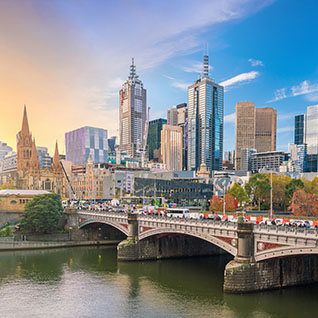
Melbourne is known for its creative culture, diverse neighbourhoods and busy calendar of sporting, arts and music events. The city’s laneways are home to cafés, restaurants, independent shops and street art, while destinations such as Queen Victoria Market bring together food and produce from around the world. Students can explore galleries and live performances in the city centre, attend major events throughout the year, or spend time in the parks, beaches and neighbourhood precincts beyond it.
Perth
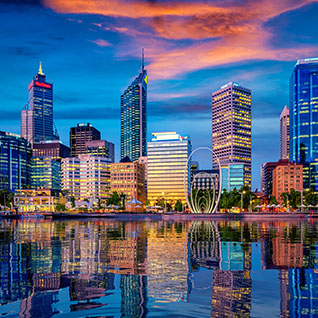
Perth combines a growing city centre with spacious parklands, nearby beaches and a relaxed coastal setting. Kings Park offers expansive green space overlooking the city and Swan River, while Fremantle is known for its markets, heritage buildings and waterfront. Students can spend time at beaches such as Cottesloe, experience the city’s food, arts and events, or travel by ferry to Rottnest Island. Perth’s location on Australia’s west coast also gives the city its distinctive Indian Ocean sunsets.
Brisbane
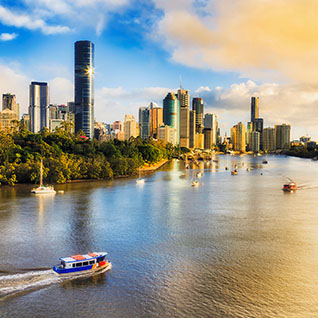
Brisbane combines a growing capital-city environment with riverfront spaces, cultural precincts and an active events calendar. Students can explore South Bank, visit galleries and museums in the Queensland Cultural Centre, or spend time along the Brisbane River and the city’s extensive parklands. Cafés, dining and entertainment are spread across neighbourhoods including the city centre, West End and Fortitude Valley, while public transport connects major study areas and surrounding suburbs.
Gold Coast
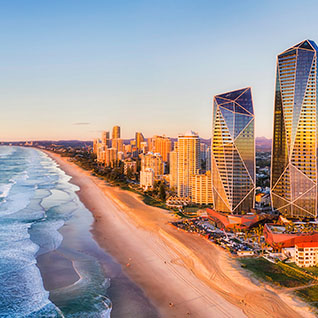
The Gold Coast combines an established university community with beaches, waterways and an outdoor-focused lifestyle. Students can explore the coastline from Surfers Paradise to Coolangatta, use the light rail to travel between key areas, or visit nearby national parks and the hinterland. Beyond its beaches, the city offers dining, entertainment and employment connections across tourism, hospitality and healthcare, with Brisbane also accessible by road and rail.
Adelaide
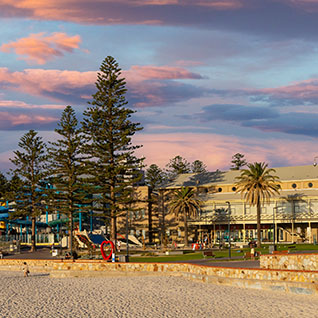
Adelaide is a compact capital with an accessible city centre, established food and festival culture, and beaches within easy reach. Adelaide Central Market brings together fresh produce and cuisines from around the world, while the East End is known for its restaurants, cafés and cultural venues. Students can explore the city’s museums, galleries and parklands, attend major events throughout the year, or travel by tram to Glenelg. Wine regions, coastal communities and natural landscapes are also located beyond the city.
Canberra
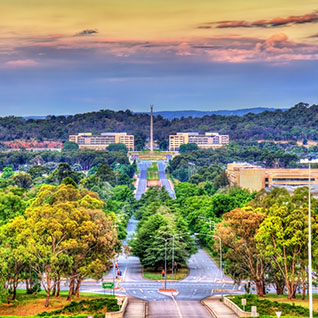
Canberra is Australia’s national capital, offering a compact city environment with extensive green space and major cultural institutions. Students can visit Parliament House, national museums and galleries, or explore the Australian National Botanic Gardens and paths around Lake Burley Griffin. The city’s planned layout brings together civic precincts, university communities, parks and surrounding nature reserves. Canberra also provides opportunities to learn more about Australia’s political system, history, culture and scientific research through institutions located across the capital.
Geelong
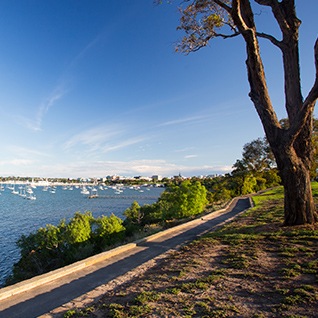
Geelong offers the advantages of a regional city alongside waterfront living and easy access to Melbourne, the Bellarine Peninsula and the Great Ocean Road. Students can explore the Geelong Waterfront and Eastern Beach, visit cafés and independent businesses around Pakington Street, or experience the city’s arts, food and sporting culture. Its more compact scale makes everyday travel manageable, while rail connections provide access to Melbourne and other Victorian centres. Beaches, open spaces and coastal destinations are also within easy reach.
Parramatta
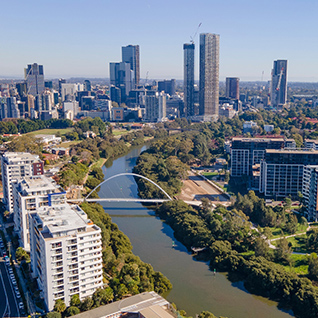
Parramatta is a major commercial and cultural centre in Western Sydney, offering a growing city environment with strong connections to the wider metropolitan region. Students can explore restaurants and cafés representing cuisines from around the world, attend sport, concerts and cultural events, or spend time along the Parramatta River and in nearby green spaces. Trains, buses, ferries and light rail connect key areas, while direct rail services place central Sydney within reach.
Image Slider






Essential study information
Visas: what you will need
Most international students need a Student Visa (subclass 500). The base application charge starts from AUD$2,500.
In order to study in Australia, you will be required to demonstrate that studying in Australia is the primary reason for applying for your student visa. Please check the Genuine Student Assessment information criteria and guidelines.
To apply, you’ll generally need:
- An electronic Confirmation of Enrolment (eCoE) from your institution
- To meet the Genuine Student requirement
- Proof of enough funds for airfares, course fees and living costs
- Evidence of English language proficiency
- To meet health and character requirements
- Evidence of Overseas Student Health Cover (OSHC)
Applications are lodged online through an ImmiAccount. For current eligibility, fees and processing times – check the Department of Home Affairs website. Requirements and charges are updated from time to time.
Work rights
Student visa holders can generally work up to 48 hours per fortnight during term, and unlimited hours during scheduled breaks.
Always confirm your individual conditions in VEVO and check the latest Department of Home Affairs guidance before you start work.
Post-study work
Graduates of eligible Australian higher education degrees may qualify for the Temporary Graduate Visa (subclass 485), Post-Higher Education Work stream.
As of 2026, this typically allows 2-3 years of work in Australia depending on qualification. Full eligibility and application details are on the Department of Home Affairs website.
Cost of living
Budget roughly AUD$220-900+ per week for accommodation, plus everyday living costs – the exact amount depends heavily on your city and lifestyle. Use the Study Australia Cost of Living Calculator for an up-to-date estimate based on where and how you plan to live.
Health and safety
Australia is a generally safe and welcoming place to live and study. Good habits around personal safety, home security, transport, sun protection, water safety and emergency preparedness help students stay safe, especially in the first few months after arriving. For practical guidance, check Study Australia and your institution’s student support information.
International students must arrange Overseas Student Health Cover (OSHC) before arriving and keep it for the whole length of their student visa.
OSHC helps pay for medical and hospital care, most prescription medicines, and ambulance cover in emergencies. Some colleges can help arrange it through a preferred provider, or you can buy an approved policy yourself and provide evidence of cover.
Typical cost
Single student cover commonly runs around AUD$700-$1,000+ per year, depending on the insurer, length of cover and policy details. Always check current pricing directly with approved providers, and compare options at PrivateHealth.gov.au.
Quality and student protections
Australian international education is tightly regulated, which is part of why it’s considered a safe choice for students:
- CRICOS: student visa holders must study with a provider and course registered on the Commonwealth Register of Institutions and Courses for Overseas Students, confirming the provider meets required standards.
- TEQSA: the Tertiary Education Quality and Standards Agency regulate higher education providers and enforces quality standards.
- ESOS Act 2000 and National Code 2018: these set nationally consistent standards for providers teaching international students.
Most states and cities also have study organisations offering welfare and support advice for students – see the useful links below.
Useful links
Study Australia – Comprehensive Information About Studying in Australia
Study Brisbane – Resources for Studying in the Sunny Capital of Queensland
Experience Gold Coast – Discover What the Gold Coast has to Offer
Study NSW – Resources for Studying in New South Wales
Study Victoria – Information on Living and Studying in Victoria
Study Adelaide – Discover Opportunities for Studying in Adelaide
Study Perth – Explore how Perth can be a Welcoming Study Destination