Strengthening counsellor engagement and student outcomes – Hana’s trip to IACAC in Hanoi
Navitas School and Government Liaison (Indonesia, Malaysia, Singapore, and Brunei) Hana Hassan attended her first International Association for College Admission Counselling Regional Institute (IACAC) in Hanoi, aiming to strengthen Navitas’s rapport with school counsellors and deepen her understanding of changes in international education in South and East Asia region. The following key takeaways offer actionable insights for all Navitas colleagues, helping everyone enhance student support, inform counselling approaches, and encourage best practices across teams.
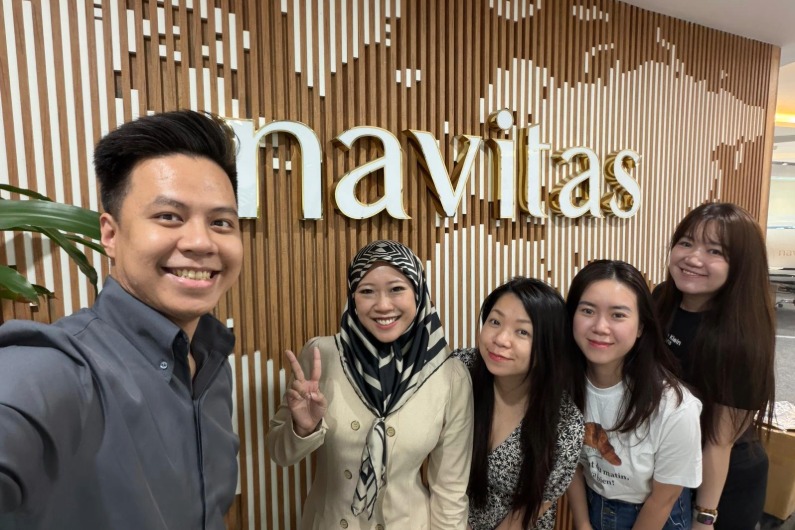
Student-centred framework
All stakeholders (Independent Education Consultants, Agents, School Counsellors and University Representatives) should collaborate transparently, communicate clearly, and always prioritise student interests. Every action should be evaluated by asking: Does this genuinely help students make better decisions?
Future-proofing our students
With AI automating entry-level tasks, the number of internships has declined by 15% between 2023 and 2025. Students with paid internships receive 2x as many job offers and higher starting salaries (up to 25k) as those without. When guiding families, encourage conversations that go beyond considering only university rankings. Specific strategies include asking: “What kind of internship and career support does this university offer?” or “How does the university prepare students for employment after graduation?” The advice can also be framed as “While rankings are one measure, let’s explore how the university helps students build career skills and secure job opportunities.” By using these conversation starters, staff can help families focus on factors that directly affect students’ career outcomes, such as:
- Internship completion rates
- Speed-to-employment after graduation
- Strength and accessibility of career services teams
Power of peer-to-peer influence
Students are more open to student ambassadors than counsellors or university representatives. Students shared that student-created networks helped them settle into university more than the systems did. To support this, colleagues can help identify enthusiastic current students or recent graduates to become ambassadors, share success stories from their regions, and suggest topics for ambassadors to highlight. Teams can also collaborate by promoting ambassador-led events, encouraging their students to participate, and offering feedback on what prospective students want to learn about university life. By taking these steps, everyone can help nurture a supportive peer community for future students.
Leveraging AI for counsellor efficiency
AI Tools like SchoolsAI can support students in their degree and career exploration by engaging them in reflective conversations about possible pathways, while Glasp can aid content digestion by summarising lengthy YouTube videos.
Getting parents involved
Parents want to feel heard and involved in the decision-making process. Effective strategies include hosting:
- Coffee mornings/informal “ask me anything” engagement sessions
- Parent book clubs or discussion groups
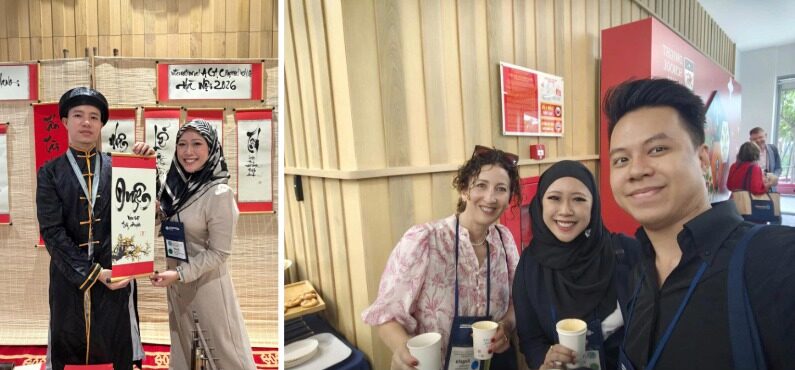
On top of these, Hana also had the chance to meet the Navitas team in Hanoi, meet the Deakin University representative, Ms Angela Puskic, and catch up with colleagues Giang Pham and Anh Hoang to exchange student engagement strategies that worked well in our regions!
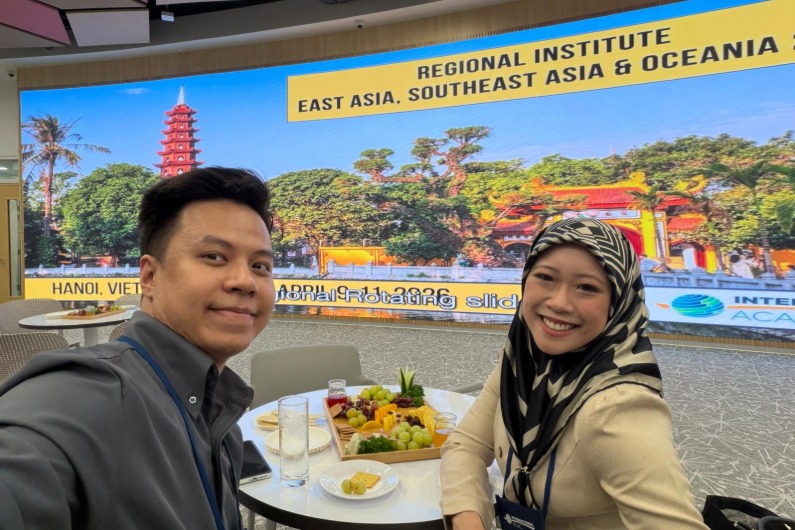
The highlights of the trip were customising an Áo Dài – Vietnamese traditional dress, riding a bike (without a helmet) through the busy streets of Hanoi with Giang, and savouring the healthy, delicious vegan Vietnamese cuisine.